The Ultimate Due Diligence Checklist for Selling Your Business
Buyers don’t just take your word for it,they want proof. That’s where due diligence comes in.
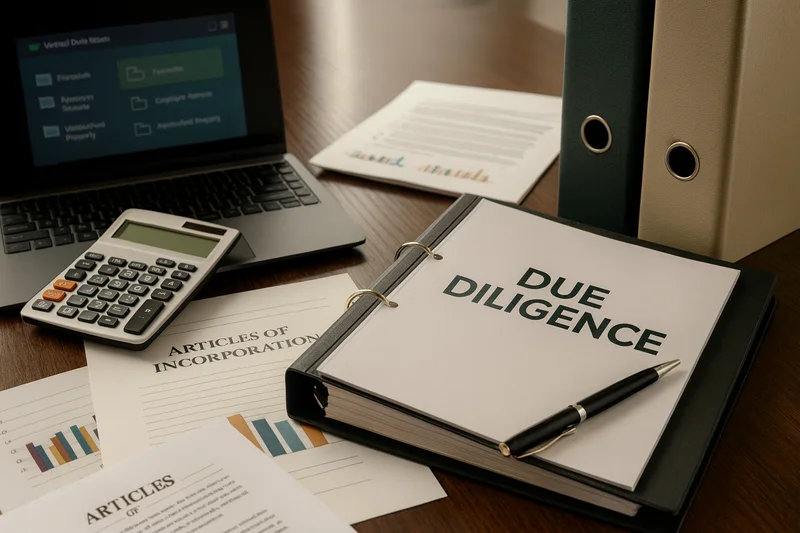
Due diligence is the formal process where a buyer inspects your business’s financial, legal, and operational health before completing the acquisition. It’s often the most intense and time-consuming part of the deal,and if you’re not prepared, it can cause delays, cold feet, or even a failed sale.
But when done proactively? It creates trust, removes friction, and brings you closer to a smooth closing.
Why You Should Prepare Before a Buyer Even Asks
Most sellers wait until they get a due diligence request list. By then, they’re scrambling,digging up old files, calling their accountant, trying to explain gaps or inconsistencies.
That approach is reactive and risky.
Proactive preparation shows professionalism. It gives you leverage in negotiations, reduces surprises, and builds buyer confidence.
Your Due Diligence Checklist: What Buyers Will Expect to See
Organize your documents into these key categories and store them in a secure digital folder or virtual data room.
Financial Documents (Past 3–5 Years)
- Profit & Loss (P&L) statements
- Balance sheets
- Tax returns
- General ledger / Chart of accounts
- A/R and A/P aging reports
- Inventory reports (if applicable)
- Loan and debt schedules
- Owner compensation and adjustments
- Normalized EBITDA or SDE calculations
Tip: Clean, reconciled financials can significantly improve perceived value.
Legal and Corporate Records
- Articles of Incorporation or formation documents
- Operating agreement / Bylaws
- Shareholder agreements
- Business licenses and permits
- State filings and renewals
- Copies of all major contracts (vendor, supplier, distributor)
- Lease agreements
- Equipment or vehicle leases
- Customer agreements
- Intellectual property (trademarks, patents, copyrights)
- NDAs or non-compete agreements with employees or partners
- Litigation history or pending legal matters (if any)
Tip: Make sure your corporate paperwork is up to date and consistent with tax filings.
Operational & Employee Documentation
- Organizational chart and key employee bios
- Employee roster (roles, tenure, compensation)
- Employee agreements or handbooks
- Payroll records and benefits information
- SOPs (Standard Operating Procedures)
- CRM or customer data summaries
- Key vendor and customer lists
- Marketing materials and performance data
- Inventory system reports (if applicable)
- Software or licensing agreements
Tip: A business that runs smoothly without the owner is far more attractive to buyers.
What If Something Is Missing or Outdated?
That’s exactly why you start early. A good broker can help you:
- Identify red flags before a buyer does
- Fill documentation gaps with credible workarounds
- Organize and present the information professionally
Don’t aim for perfection,aim for clarity, transparency, and consistency.
Final Thoughts
Due diligence isn’t just a checklist,it’s a test of how ready your business is to be sold. The more prepared you are, the faster the deal moves and the more confident the buyer becomes.
At Pacific Business Exchange, we guide sellers through every stage of the preparation process,including due diligence setup. We’ll help you get your documents in order and position your business for a clean, confident exit.
Want the Full Checklist?
Schedule a confidential consultation and we’ll send you our complete due diligence checklist to help you get organized.