
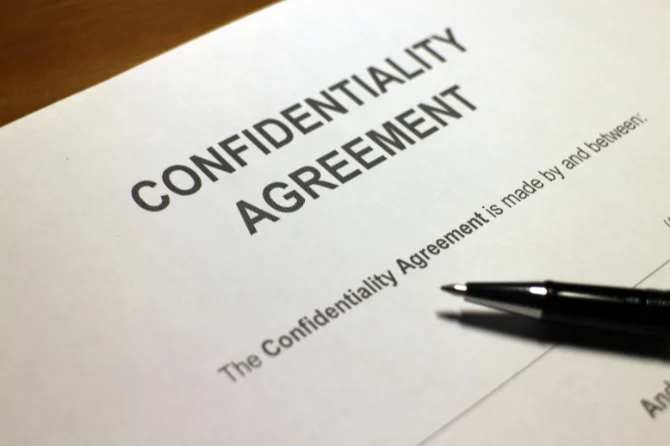
Maintaining Confidentiality When Selling Your Business
When business owners think about selling, one of the first concerns is often: “How do I keep this confidential?”
And for good reason. If word gets out too soon, it can create a ripple effect that lowers the value of your business:
- Employees may feel uncertain and start looking for new jobs
- Customers might fear service disruption and turn to competitors
- Suppliers may adjust terms or stop extending credit
- Competitors could exploit the situation to steal market share
Premature disclosure can damage the very asset you’re trying to sell,sometimes permanently. That’s why maintaining confidentiality isn’t optional. It’s mission-critical.
Best Practices for Maintaining Confidentiality During a Business Sale
Here’s how to keep your business sale under wraps until the time is right:
1. Use Blind Listings
Never include your business name or identifying details in public ads. Use generalized descriptions like:
“Profitable HVAC Company in Los Angeles County with Recurring Commercial Contracts”
This attracts interest without revealing your identity.
2. Qualify Buyers First
Only share detailed information with serious, financially qualified buyers. Your broker should screen inquiries for intent, liquidity, and fit.
3. Require Non-Disclosure Agreements (NDAs)
Before disclosing any sensitive information, have buyers sign a legally binding NDA. This protects your trade secrets, financials, and employee data.
4. Control the Information Flow
Avoid giving out employee rosters, client lists, or vendor names in early discussions. Share what’s needed,when it’s needed.
5. Prepare a Cover Story
If there are unusual activities (like buyer visits, appraisals, or audits), have a simple explanation ready:
- “We’re conducting a strategic planning review.”
- “We’re working with outside consultants on long-term options.”
This avoids unnecessary alarm.
The Role of Your Business Broker in Protecting Confidentiality
A professional business broker acts as a confidential buffer between you and the outside world. They:
- Handle all initial inquiries and marketing through blind ads
- Pre-qualify buyers before your name is ever mentioned
- Manage all NDAs, disclosures, and communication timelines
- Guide you on what to say (and what not to say) if anyone asks questions
At Pacific Business Exchange, confidentiality is embedded into every step of our process. You stay protected while we work behind the scenes to get your business sold.
When Is the Right Time to Reveal Your Business Identity?
Your business name and identifying details are usually disclosed only after all three of these conditions are met:
- The buyer has signed a Non-Disclosure Agreement (NDA)
- They’ve been financially qualified
- They’ve shown serious interest after initial discussions
This ensures your time and trust are only extended to credible buyers,not tire-kickers or competitors fishing for intel.
Final Thoughts
Selling a business doesn’t mean risking its stability. With the right approach and the right broker, you can maintain confidentiality, protect your employees and relationships, and sell from a position of strength.
At Pacific Business Exchange, we’ve helped dozens of California business owners transition quietly, confidently, and on their terms. We know how to keep things discreet,while getting deals done.
Thinking About Selling?
Schedule a confidential consultation today and let’s discuss how to protect your business throughout the sale process.